How to Reduce No-Shows at Your Salon (That Actually Work)
30 October 2026 · 4 min read
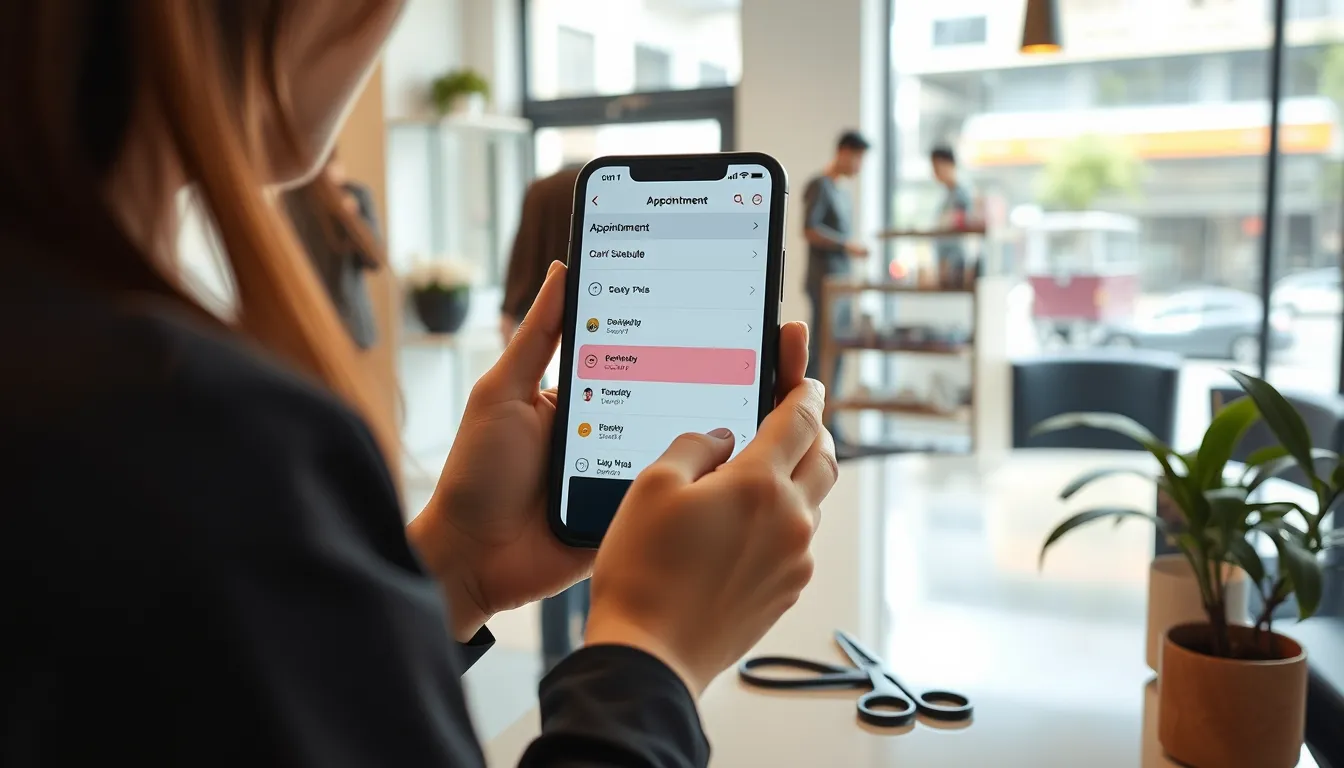
The real cost of a no-show
A client books a 90-minute color treatment. They don't show. You can't fill that slot at short notice. The chair sits empty, your stylist is paid anyway, and the retail products you'd have used stay on the shelf.
Run that number yourself: if you have two or three no-shows a week at $80–$120 each, you're looking at a meaningful gap in your monthly takings — without any external factor being responsible. That's not a slow month. That's a process problem you can fix.
Reducing no-shows at your salon isn't about being harder on clients. It's about making it easier for them to remember, easier for them to reschedule when life happens, and slightly more costly for them not to bother telling you.
1. Confirm the booking, then remind — more than once
The single most effective thing you can do is send a reminder at the right time. A client who books two weeks ahead may genuinely forget. That's not rudeness; it's just a busy life.
A useful reminder sequence looks something like this:
- Confirmation sent immediately after booking — includes the date, time, service and a link to reschedule or cancel.
- Reminder 48 hours before — enough notice for the client to reorganise if something has come up.
- Reminder on the morning of the appointment — a nudge for clients who tend to lose track of time.
With DiaryPilot, email reminders go out automatically on Starter and Pro plans. On Pro ($99/month), WhatsApp reminders go out via a bot bridge — which matters in Singapore, where WhatsApp is genuinely how clients talk to businesses. A reminder that lands in the same thread where they booked is far harder to ignore than an email buried under promotions.
The key detail: the reminder should include a self-service link so the client can reschedule or cancel without needing to WhatsApp you. This is important. If rescheduling feels like an effort, some clients will ghost rather than act.
2. Give clients a friction-free way to reschedule
No-shows often happen because a client thinks it's too late, too awkward, or too much hassle to cancel. Lower that barrier and you convert many no-shows into reschedules — which still puts money in your diary.
A good online booking page lets a client reschedule from the link in their confirmation at any hour, without needing to call or WhatsApp. DiaryPilot's confirmation includes exactly this: clients reschedule or cancel directly from that link. You get notified, the slot opens up, and the waitlist gets a chance to fill it.
If you do nothing else on this list, get this right. Clients who reschedule are still clients. Clients who ghost sometimes drift away entirely because they feel awkward coming back.
3. Use a waitlist so empty slots don't stay empty
Even when you do everything right, some clients will still cancel last-minute. The question is whether that slot stays empty or gets filled.
A waitlist works like this: a client joins the list for a time slot or service. When a cancellation comes in, they're automatically notified and can claim the slot. Done well, it turns a last-minute gap into a confirmed booking — no manual chasing required.
DiaryPilot includes a waitlist on every plan, including Starter ($49/month). When a slot frees up, the system offers it to the next person in the queue automatically. That's the kind of admin that would otherwise eat your evenings.
4. Know which bookings carry higher risk
Not every booking is equal. A first-time client from a promo post is statistically different from a regular who has been coming every six weeks for two years. Treating them identically doesn't make sense.
DiaryPilot shows a no-show risk score on every booking — with reasons. You can see at a glance which appointments might need a personal follow-up or a slightly firmer reminder. You're not guessing; you're looking at the signals the booking itself gives you.
This is especially useful before festive peaks — CNY, Deepavali, the pre-holiday rush in late November and December — when you're fully booked and a cluster of no-shows would hurt badly.
5. Have a clear no-show policy — and communicate it gently
A no-show policy doesn't have to feel like a threat. It just has to be visible. When clients know what to expect, the baseline rate drops.
What a reasonable salon no-show policy covers:
- How much notice you need to reschedule or cancel without a penalty (24 or 48 hours is common).
- What happens for repeat no-shows — you might require a deposit for future bookings after a second or third instance, or decline to rebook altogether.
- How to reschedule — make it clear and frictionless (the self-service link again).
For new clients booking long or high-value services — a full set of extensions, a balayage, a wedding updo — it's reasonable to ask for a deposit or to note that cancellation within 24 hours is non-refundable. Word it straightforwardly:
Related reading
Frequently asked questions
What is a good no-show policy for a hair salon?
A clear, polite policy states how much notice you need to cancel or reschedule — typically 24 to 48 hours — and what happens if a client no-shows repeatedly. Display it on your booking page and in the confirmation message. Clients are far less likely to ghost when the expectation is set upfront and rescheduling is genuinely easy.
Do appointment reminders actually reduce no-shows?
Yes, reminders help — especially when they include a direct link to reschedule. A reminder 48 hours before gives clients enough time to act if something has come up. In Singapore, WhatsApp reminders tend to get noticed faster than email. DiaryPilot sends automated email reminders on all plans, and WhatsApp reminders on Pro.
How does a waitlist help with last-minute cancellations?
A waitlist holds clients who want a slot that's currently full. When a cancellation comes in, the system automatically notifies the next person in the queue and offers them the slot. This converts what would have been empty chair time into a confirmed booking — with no manual follow-up from you.
Should I charge a deposit to reduce no-shows at my salon?
A deposit makes sense for first-time clients, long appointments, or high-value services where an empty slot is expensive. Keep the amount proportionate and communicate the policy clearly before the booking is confirmed. Most clients accept it when they understand why it's there.
What is a no-show risk score?
DiaryPilot shows a no-show risk score on every booking, based on signals from the booking itself — things like booking channel, lead time, and client history. It helps you identify which appointments might need a personal follow-up or firmer reminder, so you can act before the slot goes to waste.
How do I fill last-minute gaps at my salon?
A waitlist is the most reliable way. Clients who join the waitlist are notified automatically when a slot opens, and can claim it without you having to chase anyone. Pair that with same-day social media posts if you want to reach walk-in clients — but the waitlist handles it passively.